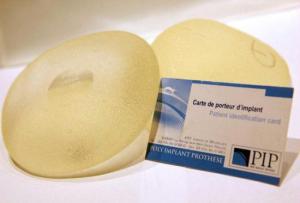
 Many of you will remember the recent scandal brought on by French breast implant maker Poly Implant Prosthese (PIP) when the company was disbanded and the executives jailed over their unethical practices of using non-medical grade silicone to manufacture their silicone breast implants sold throughout the world.
It is estimated that 30,000-40,000 women received PIP breast implants that may have caused, or may be causing, unknown and possibly dangerous side effects because of the likely contamination of the silicone gel used in these implants. When the story broke, we received quite a few calls from understandably worried women who wanted to know how they could tell if they had PIP implants, and what they should do about it if they did. We removed quite a few pairs of these implants during that time period, and helped several of these women deal with complications like severe capsular contractors, recurrent seromas (fluid collections), and PIP breast implant ruptures, but since that time we’ve noticed a dropoff in both the frequency of these calls, and in the sense of urgency on the calls that still come in.
If you or anyone you know had breast implants place in any country other than the United States in the past 20-25 years, please keep reading for an important reminder about the dangers of PIP implants, and why you should be concerned even if you aren’t sure if you have them…
 We came across a recent article in the New Beauty Mag blog about spider vein treatments, and since our very own plastic surgeon, Dr. Nicholas Vendemia, does quite a few sclerotherapy injections for spider veins on a weekly basis, we wanted to get his feedback.
 ATX-101 (also known as Kybella), which is the study designation given to deoxycholic acid manufactured by Kythera Pharmaceuticals, is an injectable substance that kills fat cells and is being marketed as a potential magic bullet for double chins. The product recently got it FDA approval for use in the cosmetic industry, but only time will tell if it proves to be a miracle worker or just another fad that fades from the market as quickly as it surfaces.
 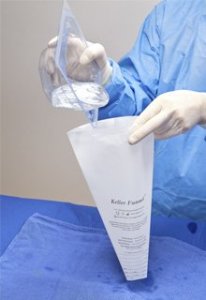 We take breast augmentation surgery very seriously here at MAS, and the Keller Funnel is a serious device for women interested in the safest, quickest, and least traumatic insertion technique for breast implants.
 One of the most common questions we receive in our office is “What type of anesthesia is best for liposuction?”
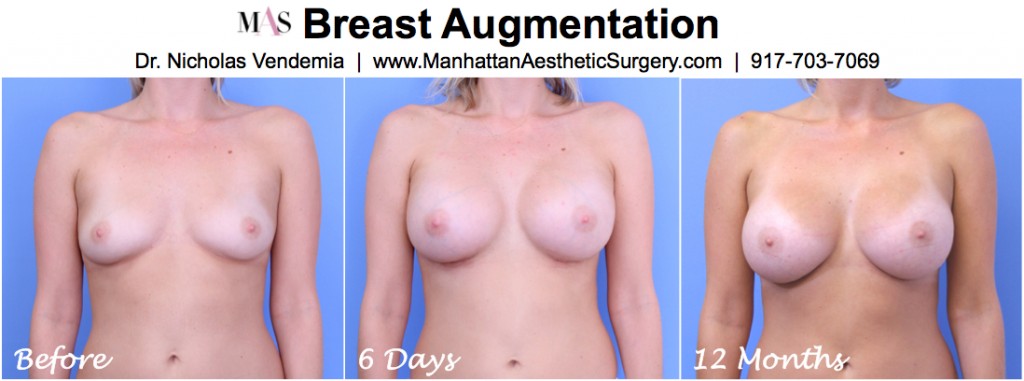 Dropping, settling, and “fluffing”, are the most common terms used to describe the single most important phenomenon in breast augmentation surgery.